The Language of Classic Style
By Yaro Dvo & Viktoriya Yasinska

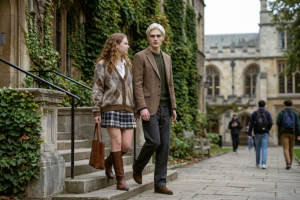
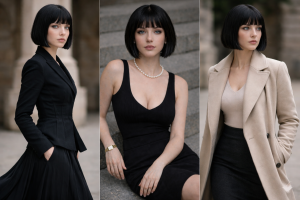
Elegance has never been about excess. It reveals itself in precision, restraint, and the quiet confidence of a perfectly tailored silhouette. Classic style exists beyond seasonal trends, it is a visual language, one that speaks of discipline, taste, and a deep understanding of form.
To dress in classics is not to follow rules but to embody a certain clarity. It is the ability to remain composed, refined, and unmistakably self-assured, regardless of time, place, or circumstance.
Icons That Defined an Era
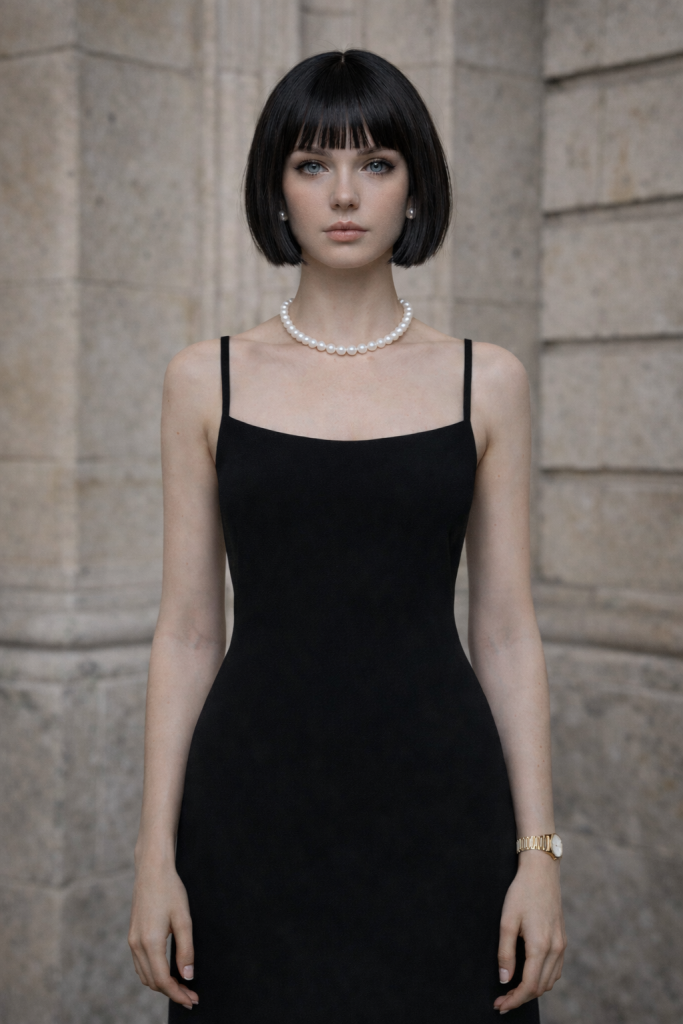
Few names are as closely tied to the idea of modern elegance as Coco Chanel. With the introduction of the little black dress, she redefined simplicity, transforming it into a symbol of strength and independence. What was once considered understated became essential – a uniform of effortless sophistication.
Equally transformative was Christian Dior, whose iconic New Look in 1947 restored femininity in a post-war world. Cinched waists, structured tailoring, and full skirts brought a renewed sense of beauty and optimism, shaping the silhouette of an entire generation.
These moments were not merely trends. They became the foundation upon which modern classic style continues to evolve.
A Living Tradition
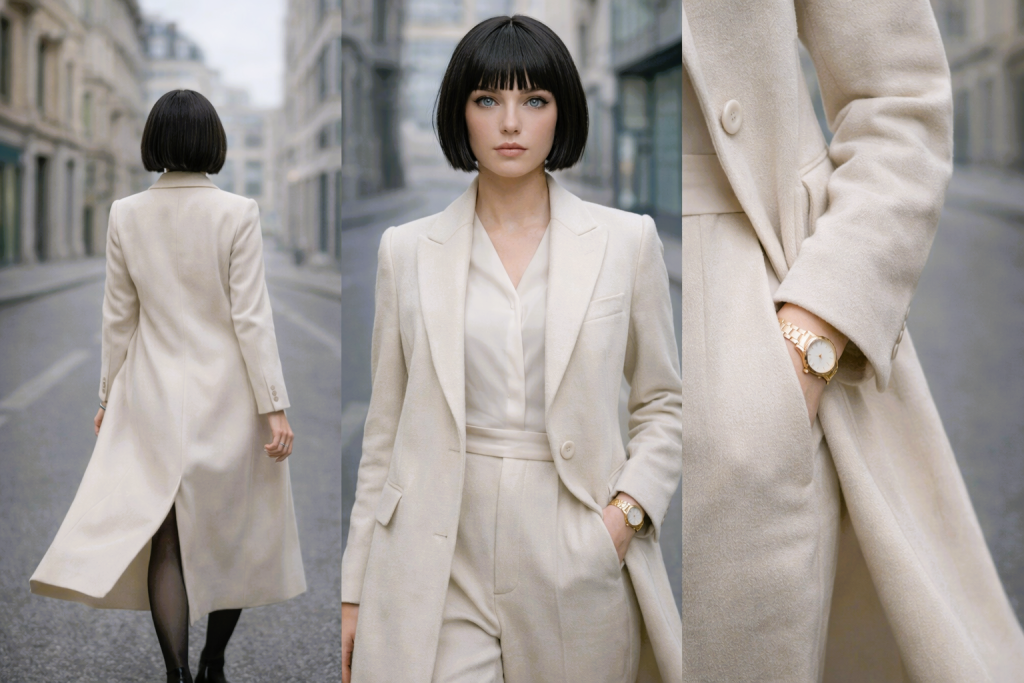
Despite its timeless nature, classic style is far from static. Today, it adapts subtly to contemporary sensibilities.
The traditional black-and-white palette is increasingly complemented by softer tones : cream, beige, and rich coffee hues. Shades like mocha introduce warmth into the classic wardrobe, offering a modern alternative to strict monochrome compositions.
There is also a growing openness to reinterpretation. A ribbed knit top paired with a pencil skirt, or a relaxed layering of textures, adds a sense of ease without compromising the integrity of the look. The result is a style that feels both structured and fluid, rooted in tradition, yet undeniably current.
Fabric as Foundation
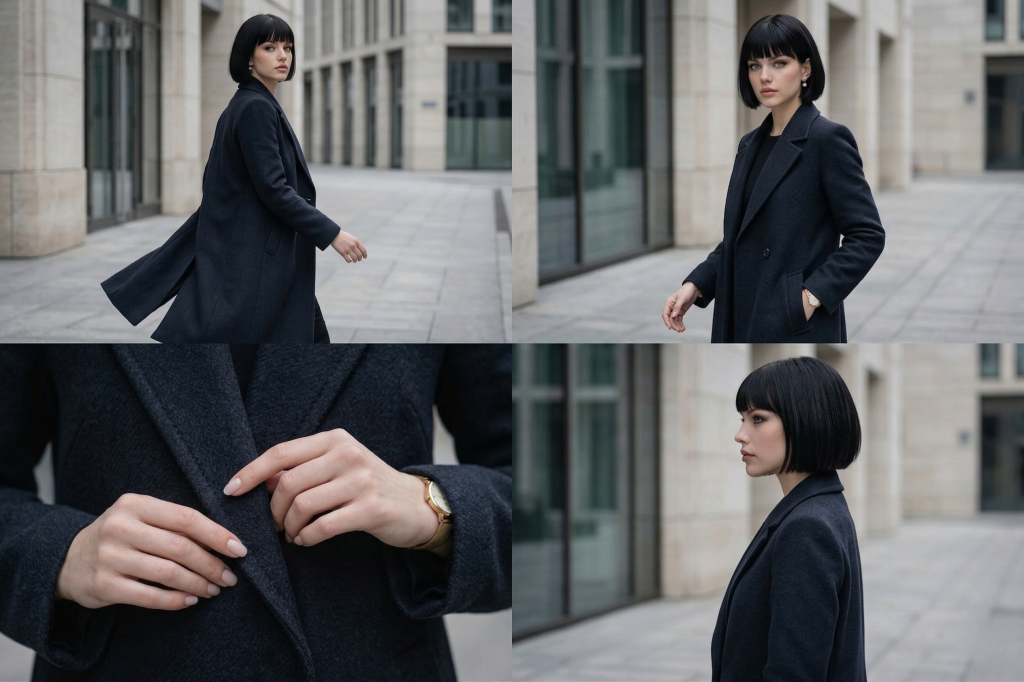
At the heart of classic dressing lies material. Quality is not an accessory, it is the essence.
Cashmere, silk, fine wool, and structured knits define the tactile experience of the wardrobe. These fabrics hold their shape, move with the body, and age with dignity. Texture becomes a quiet statement: a subtle stripe, a refined check, or a carefully balanced contrast between matte and sheen.
Tweed remains a cornerstone of tailored jackets and suits, echoing its British heritage. Velvet, with its depth and softness, introduces an element of evening sophistication. Synthetic fabrics, by contrast, are used sparingly, their presence minimized in favor of authenticity.
The Modern Classic Wardrobe

The essentials of a classic wardrobe are deceptively simple, yet each piece is chosen with intention.
A sharply tailored blazer defines the silhouette.
A pencil skirt brings structure and elegance.
A silk blouse softens the composition.
Trousers with a precise crease elongate the line of the body.
Low-heeled pumps offer both comfort and refinement.
Accessories remain understated – a watch, a delicate piece of jewelry, never overpowering, always intentional.
Together, these elements form a wardrobe that is not built around excess but around clarity.
Beyond Clothing
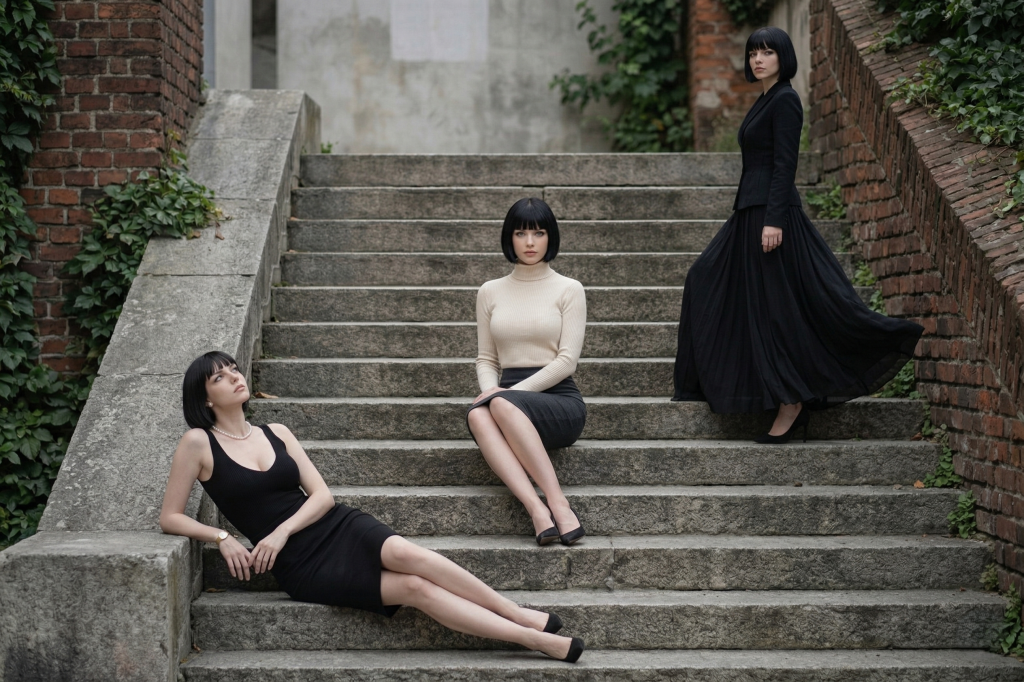
Classic style is not about dressing to impress. It is about dressing with awareness, understanding proportion, material, and context.
It does not promise transformation. It does not claim success. Instead, it offers something far more enduring: a sense of balance, composure, and quiet authority.
And perhaps that is where its true power lies, not in attracting attention, but in holding it effortlessly.
Visual Credits
Model – Julia Y
Images – AI Generated by Yaro Dvo
About Author